Showing posts with label fauna. Show all posts

Wednesday, December 14, 2016

More Green Space in Chicago!

Photo by Justin Breen The Field Museum

Chicago continues to inspire!!

First I found out about their bird friendly skyscraper design and then next it was Milwaukee Avenue Green Development Corridor.  After that I read about all these other green nature initiatives that had been happening:

 - City Hall's Rooftop Garden
- the Green Roof Grant Program
- Nature and Wildlife Plan
- Green Alley Program
- Urban Forest Agenda
- 606 (green line)
- Chicago Botanical Garden's "Horticultural Therapy Program"
- Burnham Wildlife Corridor

and now it's Northerly Island!

They are rejuvenating the island with 400 trees and 12000 shrubs by 2017, which will add a more diverse habitat and resting spot for birds.

From DNA info "Northerly Island Is Now A Bird Paradise With 250 Species And Counting" by Justin Breen:
Stotz said that Northerly Island's new look has saved the lives of countless birds. The island used to feature only dry grassland, which kept birds from landing there. Instead, they would fly from Lake Michigan into the city and often crash into McCormick Place. 
"Northerly Island has become an important habitat for preventing birds from hitting McCormick Place," he said. "There used to be no place to stop, and now there is."

Read more about it at DNA Info article and "Northerly Island Reopens" by The Field Museum, Joshua Engel.

Another great organization in Chicago is Open Lands which "has helped protect more than 55,000 acres of land for public parks and forest preserves, wildlife refuges, land and water greenway corridors, urban farms, and community gardens."  Currently they are working on a green vision for some empty industrial sites along Lake Calumet.

Very inspiring!!


Sunday, November 20, 2016

New Boblink Habitat in Hamilton


Interesting project in Hamilton - so great that they are creating Bobolink habitat!  From the webpage:

Hamilton’s Bobolink community is getting the boot from their current home in Greensville and being re-located to a former dump. 
The city is hoping that the “threatened” bird species, will feel right at home at the old Upper Ottawa Street dump. 
Bobolinks had been living behind Greensville Public School but their habitat has been taken away by the construction of a new Johnson Tew park and arboretum. 
“The likelihood is that they will continue to be there until the trees start to grow up, then the Bobolink don’t like that habitat as much.” said Cynthia Graham. 
The city is hoping to entice the Bobolinks to move here, to the old Upper Ottawa Street dump, but the Bobolink is a very picky tenant, and the city will have to cut down some trees and plant prairie grasses in order for the birds to feel more at home. And the Bobolinks don’t like visitors. 
“It already is grassland, so there is the potential to establish the habitat they like which is mostly grasses. It’s restricted to public access and bobolinks are birds that don’t like a lot of disturbance.” 
They are an elusive bird, and are considered “at risk.” 
“Certainly the Bobolink are suffering because of habitat loss across their range, so whatever we can do to create habitat suitable for them is within our mandate to do so”
When they are in town, the nesting birds prefer staying on the ground in tall grass or crops. 
“The reason we chose that is because it has potential to be Bobolink habitat, but they’re not currently using it to full extent, so there’s an opportunity for enhancement.”
The move is estimated to cost $120 000 and another $200,000 is being requested from the city’s park project budget next year, to cover consultation with bird experts, and ongoing monitoring of the success of the project over the next 20 years.

http://www.chch.com/relocating-at-risk-bird-species/

Saturday, February 6, 2016

Urban Foxes


Finally after fifty or more years, Lebreton Flats is being redeveloped.  I've always wondered about the area and all that green space so close to the urban core.  When I was thinking how great it would be for the city to have an Urban Ecology Centre centrally located (when I started my new career in 2011) I thought something off of Bayview would be perfect.  It would be close to the river, along a major corridor (that fauna may naturally follow) and there was all that open green area.  Just a beautiful spot and vista.

I started thinking about this area again today when my friend posted about seeing an urban fox in Chinatown.

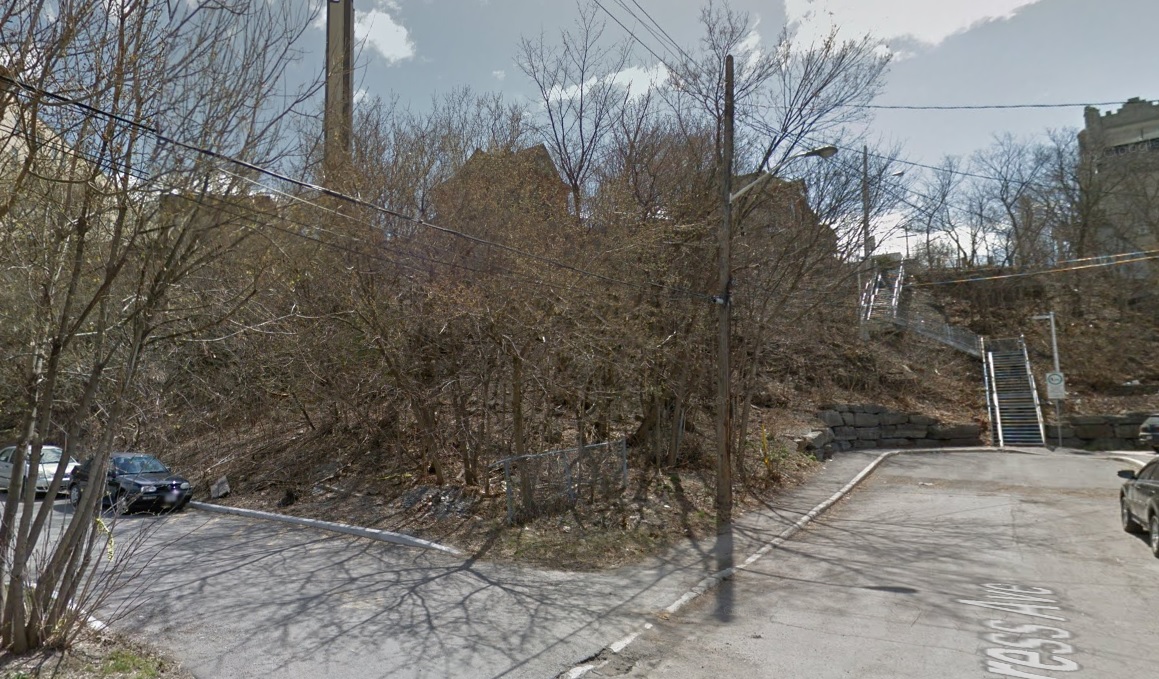
"We just saw a fox trotting at a fast clip around Primrose and Empress in Ottawa's Chinatown tonight. It looked she/he was heading towards Somerset before he/she ducked between some buildings. Who knew we'd find a fox in Centretown?"

It would be an amazing sight to see in the evening.  On the Urban Wild Walks we were told that there was a fox denning in the Macoun Marsh area (which my spouse saw this week cross St. Laurent late in the evening) and our Animal Tracks tour leader also found a fox den (although empty at the time) up in Rockcliffe Park (the official park where the pavilion is, not the neighborhood "Rockcliffe Park").  But are urban foxes common in Canada?  I knew they were in parts of the U.K. as I have read and watched documentaries on London's urban foxes.

"London is unique among western European capitals in that it has a fox population of any great size, concedes Trevor Williams, director of The Fox Project, which maintains a wildlife information bureau." (The Star, David Hewitt, 2012) 

"Stephen Harris, an expert on urban foxes at Bristol, says no reliable figure has ever been calculated, although he once estimated the number at 5,000 to 6,000 for London's boroughs." (L.A. Times, Christopher Werth, 2014)

London has no urban raccoon or skunk population (unlike here in Canada) but it does have increasing numbers of badgers, weasels, hedgehogs and other small nocturnal visitors.  Each creature has different territory size and the overlap of these territories may vary along with when each is on the prowl.

But back to Ottawa - pictured above and below are the areas that connect Lebreton Flats area to Chinatown (above the ridge) along Empress and Lorne.  There is a very scrubby areas along the ridge in both places which could offer urban mammals including foxes some cover and some easy accessible corridors to explore more urban territories above the ridge.


The pink area in the map below is the Saint Vincent hospital property and Somerset is south of this site.  The orange arrow pointing in the direction the fox was going.


Lebreton Flats (before current redevelopment started) had some great wild green and rocky areas that could offer den locations.  The fox at Macoun Marsh is found in the rocky area beside the marsh.  The den in Rockcliffe Park was dug in soil along the slopes down to the river.

Red foxes are a rare sighting but part of the reason for this is that we keep different hours.  Foxes are nocturnal like our skunk and raccoon neighbours but this still doesn't explain why they are rarely spotted here as I've definitely seen the other two creatures from time to time, so why not foxes?

They have been seen in the Fletcher Wildlife Gardens and the volunteers there estimate that there is just one family that uses the territory.  FWG's webpage indicates that despite being nocturnal, foxes will hunt during the day in the winter but this area with its fields, shrubs and woods is very different than an urban landscape. I'm guessing that urban scavenging is still best done at night when the city is more quiet.  Foxes are solitary and, even in areas where they are known to dwell, are rarely spotted.

The Toronto Wildife Centre states that foxes are more common than realized and can be found near ravine systems, large grassy fields and large parks where small mammals are plentiful (Toronto Wildlife Centre) and the MNR backgrounder states that foxes do den near human areas and are commonly found in many large urban centres in Ontario.

Charlottetown, however is one Canadian city where fox populations are similar to the London U.K. situation where "human-fox interactions are commonplace".  An urban research team studying these foxes "found 89 dens in Charlottetown". (Saltscapes)  Many residents of this city have spotted foxes - they have become a common sight unlike cities here in Ontario.

So my conclusion would be that they are more common than we realize but not as common as raccoons and skunks, which is probably a good thing!

Other great tidbits:
  • Foxes are omnivorous eating small rodents, frogs, insects, birds, snakes, acorns, grasses, corn, fruit and berries. (MNR)
  • They use abandoned groundhog burrows as dens. (Lethbridge College - the link for the LC Virtual Wildlife Project - digital Hubbard Collection is not working anymore)
  • Foxes can travel up to 10 km a day.  (Lethbridge College, Virtual Wildlife Project - Hubbard Collection)  It's 4 km from Lebreton Flats to the Fletcher Wildlife Garden.
  • They are extremely nimble - much more likes cats than dogs in this trait and can even climb trees. (FWG)
  • And let us not forget this brilliant fox who found a comfy resting spot for a morning! (#busfox)


Some other great urban mammal/wildlife posts:

Urban Crows (and supportive urbanites) (May 2011)

Helping Urban Skunks (March 2012)

Urban Coyotes (Feb 2012)

Urban Bats (June 2013 and August 2012)

Urban Fishers (Feb 2013)

Wednesday, September 30, 2015

Two Cool online resources by Nature Canada!


Found these online resources last month on Nature Canada website:

Nature Hood virtual tour:

This resource highlights all the great spots for bird viewing in the Lac Deschenes area including waterbirds, shorebirds, aerial insectivores and passerines. It provides indepth information on all the popular spots on both sides including Bates island, Baie Simard and Mud Lake!  Check it out here.

Nature Hood App:

Nature Canada is also encouraging Ottawa residents to become citizen scientists by mapping sightings of wildlife in public spaces!  This includes birds, mammals, herptiles and even insects.  It has a great glossary to help when reporting a sighting and there is also the opportunity to virtually explore the entries that are already there on the map.  This would be fun for a family outing.  Learn more by visiting the website.

And speaking about the Ottawa River - Ottawa Riverkeeper has created a virtual tour for the Voyageur Pathway.


Wednesday, February 25, 2015

Update on Guelph's Pollinator Park (decommissioned Eastview Landfill site)


I first blogged about this Pollinator Park project in 2012!  Glad to see that it continues to expand!

From the website (Pollination Guelph Planting Sites):

(The) pollinator habitat (is) on the 45ha (112 acre) decommissioned Eastview Landfill site. (It) will be one of the first and largest pollinator initiatives to occur in Ontario, Canada, and internationally. It will also highlight the City of Guelph's commitment to being a leader in environmental initiatives.

The Pollinator Park is a long-term, multi-stage project. Work began in the fall of 2012 and the first hectare was seeded in Fall 2013. We plan to seed another two hectares in Fall 2014 and if we can raise the funds, add two hectares a year in future years.

A bee hotel was added in June 2014 through the "Wild for Bees" initiative, which Pollination Guelph was a site partner in. This initiative is sponsored by Burt's Bees, Sustainable.TO, Fairmont Hotels & Resorts, and Pollinator Partnership Canada.

The park borders Speedvale Ave, Watson Road, Eastview Rd


From Guelph Mercury article (written by Chris Seto):

(The) project had to use the herbicide Roundup to get rid of the fescue grass, a species planted to help prevent soil erosion on the mound.

The Eastview Landfill was decommissioned in 2003 after collecting the city's garbage since 1961. For the past 10 years it sat empty, gathering various weeds and invasive plant species. Some flowering species grew out of its clay, rocky soil, but the field hasn't been much of a hot spot for wildlife.

Since 2009, Pollination Guelph has had its eye on this open space as a potential haven for bees, butterflies, birds and native plant species, but it needed to raise enough funds to be able to act on its plan. This year, the charitable organization reached its goal of raising $15,000 – the amount it cost to prep and seed one hectare of land – and was able to sow the seeds of a variety of native species.

These species include coneflowers, black-eyed Susans, milkweeds, Indian grass and several others. The first flowers are expected to appear in the fall, with the majority of the bloom occurring in 2015.

The site will have to be monitored and mowed every couple of years to ensure it isn't overrun by invasive species.  (Burning isn't an option above the methane gas producing landfill.)

Elaine Williams, executive director of Wildlife Preservation Canada, said her organization joined up with Pollination Guelph earlier this year. She hopes the pollination park will become a healthy sanctuary for various species at risk, including the meadowlark and the bobolink bird. She said once the park is more established, it may even be a good place to reintroduce the endangered rusty patch bumblebee.

P.S. Check out my latest "urban wild" nature blog: Wild. Here. (2016 update)

Wednesday, December 10, 2014

ASLA's video on "Designing Neighbourhoods for People and Wildlife"


This is one of the American Society of Landscape Architects' videos in a series called "Sustainable Landscaping".  Other topics include:
  • Building a Park Out of Waste
  • Designing for Active Living
  • The Edible City
  • Energy Efficient Home Landscapes
  • From Industrial Wasteland to Community Park
  • Infrastructure for All
  • Revitalizing Communities with Parks
  • Leveraging the Landscape to Manage Water
  • Urban Forests = Cleaner, Cooler Air
The webpage also provides reasons to consider wildlife design and benefits from this type of design for both people and wildlife.

It's great to see this association promoting a different approach to landscaping both public and private yards.  Hopefully more and more graduates of landscape architecture will make Native and Sustainable Landscaping a priority when working with clients!

Check it out here: ASLA: Sustainable Landscaping

10 Native Trees for Ottawa (by Diana Beresford-Kroeger)

List of 10 Native Trees recommended as substitutes for the Ash, Fraxinus species

by Diana Beresford-Kroeger

1. Oak, Quercus 

Q. macrocarpa is called the Bur Oak. It is a native oak, an edible species of the landscape of the City of Ottawa. This oak or the white oak, Q. alba, or the northern red oak, Q. rubra, will grow rapidly and form large canopies. These trees require immense amounts of atmospheric carbon dioxide to grow. They are local trees that will reverse climate change, reduce pollution and skin cancers. They have the strength to withstand ice storms and heavy snow. They are also extremely drought resistant. 

2. Honey Locust, Gleditsia triacanthos 

The natural form of honey locust is extremely healthy and hardy in city traffic conditions. It is almost resistant to disease infestations. It is drought resistant and it fixes its own nitrogen from the atmospheric nitrogen dioxide and from the soil. The locust will reverse climate change. The canopy of which produces a high filtered light for city gardens. The tree produces edible beans which can be ground as flour and added to other grains to make flour in various proportions. The flowers of the locust feed beneficial insects which in turn act as predators reducing the need for pesticides. The tree is also an 'Escape tree' for birds from city cats and racoons. 

3. American Basswood, Tilia americana 

This local native tree has flowers in June to July which are immensely fragrant. The lactone chemistry in the aerosols that are produced are beneficial to human health. The tree is the greatest feeding tree in the entire world for beneficial insects. Basswood honey is the best on the continent. This tree helps the bird populations to increase and produce more viable eggs in the spring which in turn reduces the need for pesticides. The Basswood leaves in its canopy combs the city air of its particulate pollution which is a leading cause of heart disease in the asthmatic. 

4. Eastern White Cedar, Thuja occidentalis 

Ottawa is blessed with native populations of an evergreen tree called the cedar Thuja occidentalis that the local native people called "The Tree of Life". There are golden, tall, weeping and fastigate forms. The trees’ leaves have glands on the tips of the leaves that can be easily seen by the naked eye. These glands in hot humid air release an aerosol medicine into the air that regulates the beating heart and is antiviral. The tree is also drought and fire resistant. It feeds birds and protects them in the winter adding 2 degrees centigrade to their body heat within the shelter of this evergreen. 

5. Black Walnut, Juglans nigra 

The walnut tree is a medicinal tree. It produces anticancer bio-chemicals both in the mature foliage and in the nuts themselves. Ottawa has a very high cancer rate. This tree would act as a shield for this, most especially for the children of the city who are most vulnerable because of their high metabolic rate when they are in growth spurts to adulthood. Pound for pound, the flesh of the walnut is equal in protein to the best black Angus t-bone steak. The tree is strong and wind resistant. It also has a wide canopy which reduces summer cooling costs. The wood of this tree is one of the most valuable in the world. A well grown Juglans nigra ‘Thomas’ in the city will pay for a grandchild's university education, quite easily. A full canopy of black walnut generates chemical aerosols which will neutralize toxic benzene from the traffic. 

6. Fir, Abies 

All of the fir are drought resistant. They will withstand heavy snow loads and ice. The conical form of anatomy of the tree helps them to stand straight, also, in high winds. The branches have a special form of buttresses built into them. These trees guard all the waterways, canals, lakes and river systems helping to purify potable water which is increasingly an issue for cities and urban areas across the world. The chemistry from the needles or leaves produces airborne aerosols that are antiseptic and antibiotic. These trees act as air cleansers and as deodorants on a massive scale. This super clean air is a health benefit to the city of Ottawa and to the surrounding area. There are two trees of choice, the Abies balsamea, known as the balsam fir, balsam, Canada balsam or the eastern fir. This tree is native to the city of Ottawa. The other is the Abies concolor known commonly as the white fir or white balsam. This is a Canadian species, the best cultivar for shape, form and drought resistance is A. c. ‘Candicans’. This tree is also a songbird shelter and escape route for predation. 

7. Spruce, Picea 

The white spruce is the workhorse of Canada. It has a long and important history on the landscape especially for Ottawa, where it grew on rocky areas overlooking the Ottawa River. It was one of the trees with long tracheids that made pulp which made paper that made money for the lumber barons. Their names can be found inscribed in Rideau Hall, residence of the Governor General. The tree is famous for its pharmaceuticals, one of which reduces blood pressure the other is anti-anginal and helps the heart itself to beat. This is a medicinal tree. It is evergreen and can withstand snow loads and strong winds. The resin of the tree helps all flying beneficial insects especially the honey bee. This tree helps to stop Honey Bee Colony Collapse. The best spruce for Ottawa is the common, native white spruce, Picea glauca. It is known as the skunk spruce. The latter is a common name given when the science of the aerosol medicine was not appreciated by the pioneers, but was used by the aboriginal medicine men for 40,000 years on this continent as a medicine. 

8. Catalpa, Catalpa speciosa 

The catalpa is the most spectacular flowering tree for the city of Ottawa. The bloom clusters are bigger than a man's head. The flowers are white and fluorescent purple. The long beans hang in tassels into the fall and winter. They are the food of the red cardinal birds who love to split open the bean and eat the seeds. This tree is suited to the calcareous soils of the city of Ottawa. The tree can be easily grown, it is disease and drought resistant. The horizontal limbs and main branches in the winter are flexible and will withstand heavy ice and snow. The blooms are like orchids and attract butterflies. The author, Diana Beresford-Kroeger would like to see these trees widely planted in the downtown area as a tourist attraction for a festival of their flowering in June to July. Such a tree allée would also help to maintain clean air as the huge leaf can comb air pollution of 2.5 micron sizes, reducing it for easy breathing. It is a North American tree. Its origins are unknown on this continent. 

9. Hickory, Carya ovata 

The Hickory trees that were cut down for the building of the city of Ottawa were Carya cordiformis. The tree is also known as the Bitternut Hickory, Bitternut, Swamp Hickory and by the farming community as Pignut. It is not known if other members of this family were present at the time. They may have been present because the aboriginal people often planted nuts. These trees would have been Carya ovata, the Shagbark Hickory, the antifamine trees. The Hickory is unique to the continent, except for China. It grew to enormous proportions here. Fingerprint boles account for circumferences of 18 feet on shallow soils. The Hickory is a feeding tree for birds, man and mammals. It is also a butterfly tree, used in a butterfly’s continental migration. This tree can be planted for a public park or a larger garden. In the last ice storm this Ottawa tree species was badly damaged. It needs to be replaced, also. 

10. Cucumber tree, Magnolia acuminate 

The Cucumber tree and all the other species of trees that are endangered in Canada could go on a long list. People who are interested in preserving the native heritage and stories of Canada should grow this magnificent Canadian tree. The tree produces a unique cucumber style fruit. From this fruit the frost opens the seed cases and dangles a red seed by a white thread. Birds love these rich seeds. The flower is like a steel grey tulip which is produced at the end of May. From this tree the aboriginal people made anti-malarial medicine. They made dugout canoes for inland travel on their water highways and they carved death masks from its sacred wood. These masks had an important ceremonial function. The cucumber tree is almost extinct. The City could help in a recovery program for its new World Heritage Site of its canal system. Then these trees could be enjoyed by everyone again. They were a waterway tree.

Found on Ecology Ottawa website (October 2013)


P.S. Check out my latest "urban wild" nature blog: Wild. Here.
(2017 update)

Wednesday, July 30, 2014

Saving Ontario Salamanders


An East York woman is saving the salamanders of cottage country, rescuing them from local trails and raising them in her backyard.

Carolyn Forbes, 28, says she has collected about 350 yellow and blue-spotted salamander egg sacs, each with the possibility of hatching between 20 and 50 babies, from ditches and dips in local roads near her Highlands cottage near Bancroft.

However, Ontario’s Ministry of Natural Resources does not allow amphibians to be taken from or released into the wild. 

Friday, June 27, 2014

On a quest to find the Urban Bobolink (Ottawa)

As mentioned in a previous post, I had read about sightings of bobolinks by Dave Collyer from an online post of Manor Park News in 2006 and I was wondering if it was still around.  Pretty amazing sighting of this grassland bird in a more urban setting if it is still here!

I thought I heard it on Monday in the field between the Rockcliffe Parkway and Sandridge Road (there's a path down the middle of the field for dogwalkers).  Using my binoculars I spotted a black bird with unusual markings in the top of a dead tree on the edge of the field close to Sandridge and Placel but it was a faint shadowed view through my binocular lens. I had no camera that day to take a picture and confirm the sighting.  

I went out with my camera today and couldn't find it in that field.  Was wondering if it was in another field close by (or perhaps up at the old Rockcliffe Base?) so I went to the Airport-Marina Road and I ended up finding it in a narrow strip between the Aviation Pathway and the Rockcliffe Airport fence line.

WOW.


FOUND.

Saturday, May 10, 2014

Let us Build Cully Park! (Portland)


"For over twenty years, Cully residents set their sights on the conversion of a 25-acre grassy field in the neighborhood, well-located and large enough for a range of community activities – even if it happened to be the site of a former landfill."

 Read more here: Community-Led Park Partnership (Sustainable Cities Collective)


Images from SCC website.

Friday, May 2, 2014

Wildlife Construction Protocols (Ottawa)


From Ottawa Community News:

April 17, 2014

Board Looks at Alternative School Site (Kanata):

WILDLIFE PROTECTION
Measures were in place to mitigate the effects of tree cutting on birds and animals in the area, Wilkinson said.
Cutting can only be conducted until April 15, the councillor said, to avoid the nesting season of birds in the area.
If tree cutting didn't happen before the deadline for bird nesting season, there would be no way for the school to be built in time for kids to attend in September of 2015, Wilkinson said.
That tree-cutting deadline is needed to comply with the federal Migratory Birds Convention Act, Snedden wrote. In addition, KNL was asked to follow the tree-removal protocol followed by the city's forestry department. That procedure involves tree inspectors searching for evidence of animal use or habitat, which is shared with tree-cutting crews, who do a second inspection of flagged trees to see if animals are present. If there is an animal in the tree, the tree is not disturbed and the crew returns to remove it once the animal has moved on. Nesting boxes were placed around the area to lure animals such as squirrels out from trees.
A similar policy is being considered for the wildlife construction policy the city committed to drafting as part of an update to its wildlife management strategy last year.
City staff conducted surveys to identify areas where trees and wildlife habitats were to be retained, Snedden said. They also monitored cutting to ensure the removals complied with the urban tree conservation bylaw.
Snedden said Blanding's turtles are still hibernating at this time of year based on population monitoring data. Wilkinson said KNL Developments has a certificate from the province allowing it to go ahead with work because the area isn't part of the main habitat of the protected Blanding's turtles. If turtles are found, they must be protected and removed from the area, Wilkinson said.


Image from: Unpublished Ottawa

Tuesday, April 15, 2014

backyard birds (Toronto)


"On a cool and foggy morning, after a night of rain, the birds are staying put and feeding. It makes for fine listening, not only to the avian newcomers but also to the familiar urban birds — cardinals, chickadees, red-winged blackbirds, goldfinches and house finches."
From Toronto Star Article: Songbird ‘superhighway’ runs through Toronto as 50 million will fly over in spring migration  By: Leslie Scrivener, May 2012

Image from Wild Birds Unlimited East Lansing

Sunday, March 16, 2014

wish I could go to this event on moss

Moss likes your garden! Why you might consider taking its side    

Monday, March 17, 2014, 7:30 p.m.sharp

Jennifer Doubt, Chief Collections Manager, Botany Section at the Canadian Museum of Nature, will share with us what moss is and how it fits in the plant world.


Presented by the Gloucester Horticultural Society, 4373 Generation Court.

Pre-registration recommended at (613) 749-8897.


Free Admission.


For more information:

Contact Name: Fleurette Huneault
Website: http://www.gardenontario.org/site.php.glouster
Phone: 613-749-8897
E-mail: gloucester (at) gardenontario.org


Monday, March 3, 2014

Wildlife Education in Toronto Parkette


New Partnership Will Green Toronto Parks 

"An example of a project that received funding in the first year of this program is the Ritchie Parkette. With a $25,000 grant, The Rotary Club of Toronto, the Friends of Ritchie Parkette and the Toronto Department of Parks, Forestry & Recreation will rehabilitate the parkette’s natural environment, introduce wildlife education and programming."

All details here: Ontario Trillium Foundation

More details were available on the Friends of Ritchie Parkette Blog:
It was announced yesterday that the W. Garfield Weston Foundation will support improvements to Ritchie Parkette with a $25,000 grant provided through the Weston Family Parks Challenge.  
The Rotary Club of Toronto, the Friends of Ritchie Parkette and the Toronto Department of Parks, Forestry & Recreation will use the grant to rehabilitate the parkette’s natural environment, introduce wildlife education and programming. 
We are approved for the following: 
  •  Native species will be planted at the front of the park and some interpretive signage that identifies the plants and describes healthy natural habitats. 
  • A chalk board wildlife and bird sighting display and some signage about birds in the area will be erected with links for posting bird, insect and mammal sightings to this blog. 
  • Access to a water tap for all seasons. 
This means sandcastles, rivers through sand tunnels and water for the ice rink in the winter.  
Thanks to all involved for their time in helping us win this generous grant.


All images from Friends of Ritchie Parkette Blog (Owl visited their park in November 2012!)


Other Urban Bird Posts:

- Urban Bobolink in Ottawa (2012)

- The Pigeon Paradox (2012)

- Urban Chimney Swift Towers (2011)

- Purple Martin Nesting (2011)

- Roosting Crows in Ottawa (2011)

Tuesday, January 28, 2014

Habitat Stepping Stones (Australia)

Link to a new project from the Australian Research Institute for Environment and Sustainability (ARIES) at Macquarie University, which is seeking to enhance the complexity of urban biodiversity.  The website provides information to urban citizens about how to help out wildlife who are "doing it tough".

Individuals pledge to provide three or more "stepping stones" (schools and community centres can participate also) and then the address can be added to an online map so illustrate the number of stepping stones across the city.  Participants can also share stories, photos and videos through social media.

Three cities are already participating: Sydney, Melbourne and Adelaide.

Discounts and/or free plants are available to participants at their local garden store, who also receive a sign to put up in the front of their home.  They also received local wildlife tips and news.

All details here: Habitat Stepping Stones

Monday, December 16, 2013

Burnham Wildlife Corridor (Chicago)


Found more on the Burnham Wildlife Corridor in Chicago.   This is the second project of the Chicago Park District, who first worked on the west shore of Lake Michigan.  They were addressing the need of about 300 species of birds migrating through the area.  This newest corridor will address the south shore creating a 2.2 mile strip (103 acres).  This "restoration" of land created by fill will be mostly with hardy oak trees which are great hosts for many species of caterpillars which will provide the resting birds with nutrients also.  Since the project was started a couple of years ago, local residents have already seen a change and have spotted "more kestrels, hawks and warblers".

Read more here: A lakefront landing strip for migrating birds

"Finding nature in a strip of land sandwiched by railroad tracks and Lake Shore Drive"
Details and Image from WBEZ article written in April 2013 by Chris Bentley


Wednesday, November 6, 2013

Imagine! The First Biophilic Redevelopment Project in Canada!

Finally!! I have written those much promised blog posts on the Rockcliffe Lands Redevelopment.  I'm only a year late!  I still have one last post to do and I hope to get it done this month and provide my comments to CLC.  I can't wait to see what this development shapes into in the upcoming years!

Posts on Rockcliffe Lands Redevelopment:

First blog post: September 2011

Announcement of the project by CLC

Rockcliffe Lands Redevelopment (Part 1): November 2012

Description of the first public open house (October 2012) and their Green and Blue conceptual drawings.

Rockcliffe Lands Redevelopment (Part 2): April 2013

Consideration for heritage old growth trees, green corridors to promote ecological diversity and the surrounding landscape.

Rockcliffe Lands Redevelopment (Part 3): September 2013

Suggestions regarding increasing the size of Montfort Woods, Expanding options for "Blue Landscaping" and adding Native Wildscaping

Rockcliffe Lands Redevelopment (Part 4): October 2013

Thoughts on supporting native fauna including birds, bees, bats and other wildlife

If you still want to send your thoughts and comments to Canada Lands Company it is not too late. You can find their contact information on the Canada Lands Company Rockcliffe Lands website (syau@clc.ca,info@clc.ca). I did not find an email address for the Ottawa office however.

UPCOMING: Rockcliffe Lands Redevelopment (Part 5) which will include a discussion on the potential for Biophilic Guidelines (based on Toronto Waterfront's Sustainability Guidelines) and honoring Algonquin Lands.  Stay tuned!

Sunday, October 27, 2013

What Birds are in Your Neighbourhood? (Ottawa)

What the Ottawa Breeding Bird Count can tell us:

When I first looked at the OBBC presentation from 2009 to the Ottawa Field Naturalist Club I was amazed. It was an incredible wealth of information from only a couple of years of observations. This information (after five years of data) must be so much more robust! What a great organization to partner with if you ever wanted to show the importance of your patch of forest or that scrubby field that has never been developed. I was thinking that it could be an amazing tool for those who were opposed to the new provincial bridge - showing how the locations they were proposing were some of the last havens for urban birds (end of the Aviation Parkway - Kettle Island, end of Rockcliffe Parkway - Green's Creek, Petrie Island Corridor).

Let's take the Aviation Parkway - Kettle Island Corridor for an example. From the 2009 OFNC presentation it shows us that around 16 - 22 Native Bird Species have been observed there (after three years of field surveys) and of those bird species three or more are conservation priority species. This area at the end of the Aviation Parkway (where the Space and Aviation Museum and the Rockcliffe Airport are located) has a Partners in Flight Priority Score from 212 - 275 (by adding up all the individual species priority scores) which is on the high end for the City of Ottawa.  There are 10 - 13 species with declining populations in this area.  In the following maps (just ignore the blue circle around the Mer Bleu - Greenbelt area) you can see the end of the Aviation Parkway and Kettle Island (in white) - close to the North arrow.


You'll see below the abundance of specific bird species - all at least present in or around the Aviation Parkway and along the Rockcliffe Parkway in that area.  While they are not high (compared to areas around the Greenbelt and suburban areas) they are still observed and their presence inside the urban core (within the Greenbelt) is a wonderful urban asset for those who cannot travel easily to the outskirts or Conservation Areas and Parks in more rural areas.


There have also been some observations of grassland birds (Savannah Sparrows), over five species of open-shrub birds (including the Northern Cardinal, along with the SOSP and AMGO shown above) and a few forest species (including American Redstarts) that visit the Manor Park area and the forest strip between the Rockcliffe Parkway and the Ottawa River (just east of the Space and Aviation Museum). 

You'll also see that the Green's Creek corridor (which is part of the eastern Greenbelt) has a high number of bird species.  Petrie Island does not have elevated numbers of birds and it would be interesting to find out more about this area and the data collected.  As you can see this information could help inform development projects like the Interprovincial Bridge location and or other development proposals including larger scale ones like Lebreton Flats.  It would be interesting to see what five years of data could provide in terms of observations.  Speaking about large-scale development proposals - it might be a great study if data could be collected from before, during and after the new Rockcliffe Lands Redevelopment occurs!  And perhaps the OBBC data could be linked up with the City of Ottawa's Urban Natural Features Strategy to show how even small green spaces and corridors are providing habitat for birds?  I wonder what has been found out about Pleasant Park Woods or the NRC forest in Rothwell Heights? 

So if you are curious - take a look at the 2009 presentation and new data as it comes in from the Ottawa Breeding Bird Count.  Perhaps you may even want to volunteer with them when they start up again next spring?  Ottawa is going to learn a lot about its native population of birds thanks to the data collected through this project!


Thursday, October 17, 2013

vancouver bird houses


Found on Urban Guide for Alternative Use:

"Designers Jeffrey Liu and Andrew Siu saw an opportunity to give birds a better shot at a happy home in the city by using Vancouver’s existing lamp posts and street signs as the supporting infrastructure for plug-in urban birdhouses.

By using powerful magnets as the attachment device, the birdhouses have the flexibility to not only attach to any metal post, but also to external metal buttresses, bridges, fire escapes, or any of a city’s many metal structures. The birdhouse colors were inspired by the work artists Haas & Hahn did to transform some of Brazil’s favelas, and their entry points were designed for easy access for birds from different directions, and a challenging point of entry for predators."

Additional photos and full process details can be found here.

Image Source

Friday, October 11, 2013

Rockcliffe Lands Redevelopment (Part 4)


ROCKCLIFFE LANDS FUTURE

So how to get people on board in terms of the potential for this type of biophilic development?  Tell them all about the local birdwatching opportunities, the beautiful landscaping, the zen-like rainwater ponds and the idyllic setting that they would be living in.  Opportunities to forest-bathe, enjoy nightly avian performances, take in the pleasures of pollinator parks, meet new neighbours like chimney swifts or purple martins and play the old fashioned way.  People will benefit in so many ways by having a more natural surrounding and being drawn outdoors.  How else can the Rockcliffe Lands be redeveloped so as to allow the green surroundings and its fauna to flourish?  

THE LOCAL FAUNA

This area and its surroundings is a big draw for birds.  Not only is there the Ottawa River to the north but you have two marshes and a stream connecting them on the west side. At least a 100 birds have been seen in this area including the Bobolink and Bluebirds.  The project has already identified small stands of trees that should remain and the wood lot in the north-east corner.  To support and increase the diversity of birds in this area, habitat for birds needs to be included, along with efforts to decrease hazards for birds.  Habitat can be hedge borders, shrubby areas, open fields and trees.  It can also include manufactured constructs such as purple martin housing or chimney swift towers - see links above.  (It would be a great opportunity to build some demonstration towers here as new development does not include brick chimneys such as houses used to have.)  There also needs to be water and food for the birds - which can be provided by the proposed blue areas and hedge borders and shrubs (for berries and seeds).

Also bird-friendly design guidelines should be recommended.  Buildings (especially glass towers) can be a hazard for birds and result in deaths due to collisions especially during migration.  Any new highrises should be designed to minimize dangers to birds.

Hand in hand with birds of course are bees!  And when designing pollinator parks, it is beneficial to include insect habitat such as mason bee condos and insect hotels.  Mason bees are not known to be aggressive and are a great benefit for pollination of a green urban environment.  Going beyond that, insect hotels provided different sizes, shapes and materials for sheltering many types of insects and will ensure greater biodiversity in neighbouring gardens and lands.  And another beneficial neighbour would be bats.  These flying mammals help regulate winged insect populations, especially mosquitos so building design and/or park design could include recommendations for increasing habitat for them.  Some golf courses are encouraging bats to reside on their property.


Images from: Freshkills Park Blog, Pacific Horticulture (online), Sierra Club local chapter blog

If people are going to live in a more biophilic environment what needs to go hand in hand is an education program to help people adapt to more frequent encounters with all types of fauna and how best to discourage unwanted visitors.  There are ways to COEXIST WITH (coyotes, skunks, crows, etc) WILDLIFE in a less confrontational manner.

NEXT UP: DEVELOPMENT GUIDELINES AND HONOURING ALGONQUIN LANDS. Rockcliffe Lands Redevelopment (Part 5): November 2013

******************


Posts on Rockcliffe Lands Redevelopment:

First blog post: September 2011

Rockcliffe Lands Redevelopment (Part 1) - November 2012

Rockcliffe Lands Redevelopment (Part 2) - April 2013

Rockcliffe Lands Redevelopment (Part 3) - September 2013

Rockcliffe Lands Redevelopment (Part 5) - November 2013


ROCKCLIFFE LANDS PAST